
How to Choose the Right Blinds for Your Home or Property in Singapore
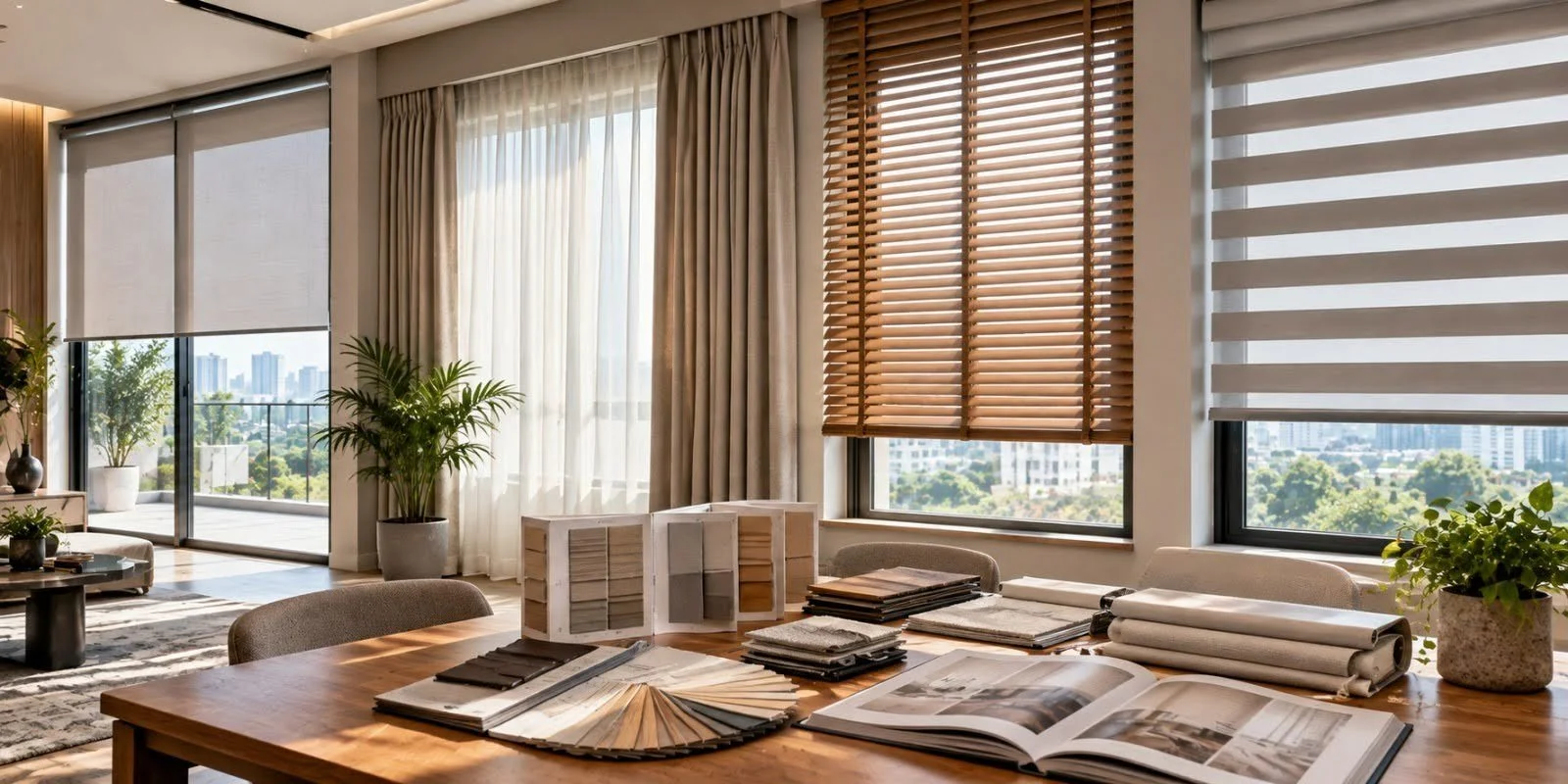
Choosing the right blinds for a home or property in Singapore starts with understanding what each space needs from its window covering. Privacy, light control, room function, window dimensions, ease of operation and overall interior design should be considered before selecting a particular blind.
A blind that works well in a living room may not necessarily be appropriate for a bedroom, office or another part of the property. Window orientation and how frequently the blinds will be adjusted can also influence the decision.
Instead of choosing blinds based primarily on appearance, property owners can narrow their options by first defining how the window covering needs to function. A blind supplier in Singapore can then help match those requirements with appropriate available systems.
Start with the Function of the Window
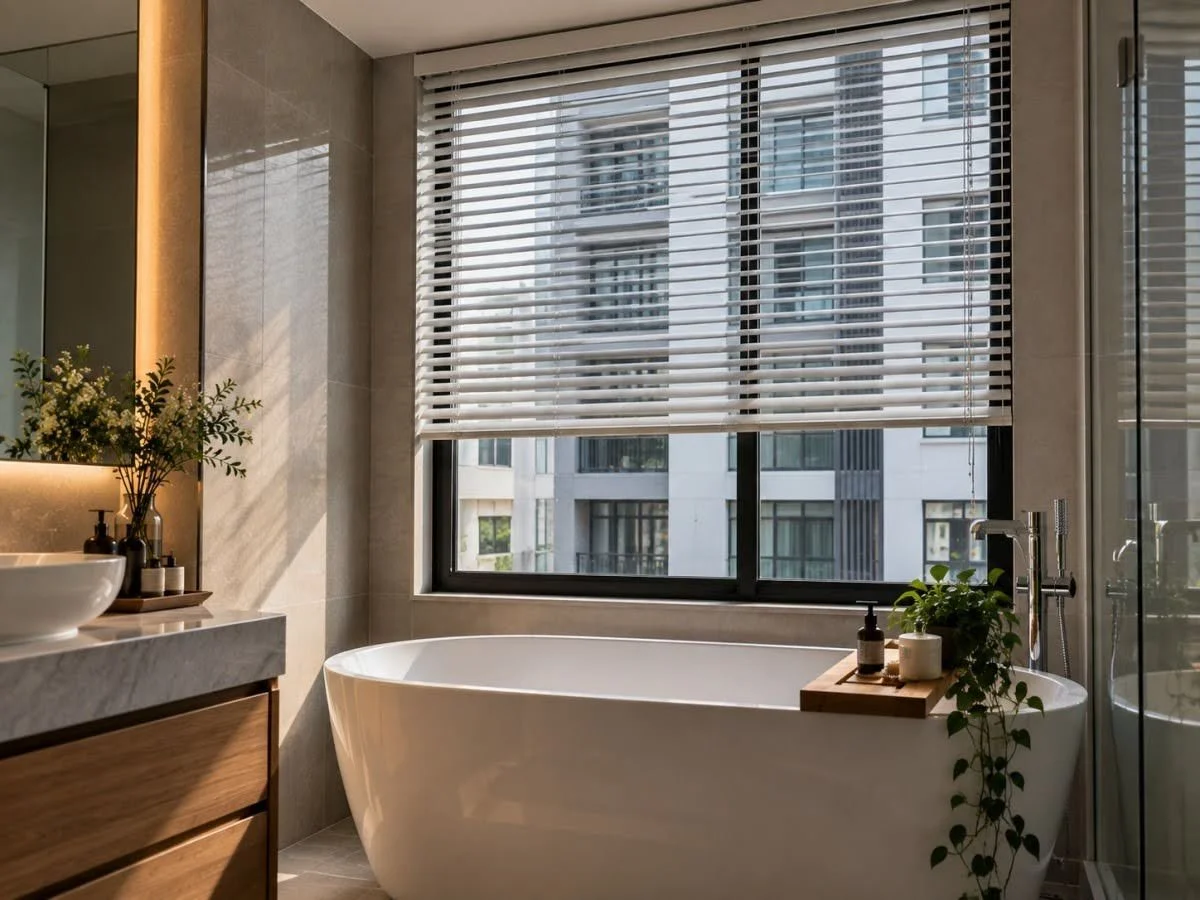
The purpose of the window should be established before choosing the blind. Different windows can require different levels of privacy, daylight and accessibility.
A window facing a neighbouring property may require greater privacy than one overlooking an open outdoor area. A living space may benefit from adjustable daylight, while a bedroom can have different privacy and light-control requirements.
Property owners should consider what they want to change about the existing window condition. The requirement may be to reduce direct light, increase privacy, manage glare or simply provide a practical covering that can be opened and closed easily.
Starting with function prevents the selection process from becoming focused only on colour or design.
Privacy Requirements Differ Between Spaces
Privacy is the degree to which a blind limits visibility through a window. The amount required depends on the room, the position of the window and what is located outside.
Bedrooms and other private areas generally require more privacy than communal living spaces. Ground-level windows or windows facing nearby buildings can also require more careful consideration.
Privacy requirements can change between daytime and evening. Conditions outside and inside the property affect how easily people can see through a window.
Property owners should therefore consider privacy under actual usage conditions rather than assessing a blind only when viewing a sample in isolation.
Light Control Should Match How the Room Is Used
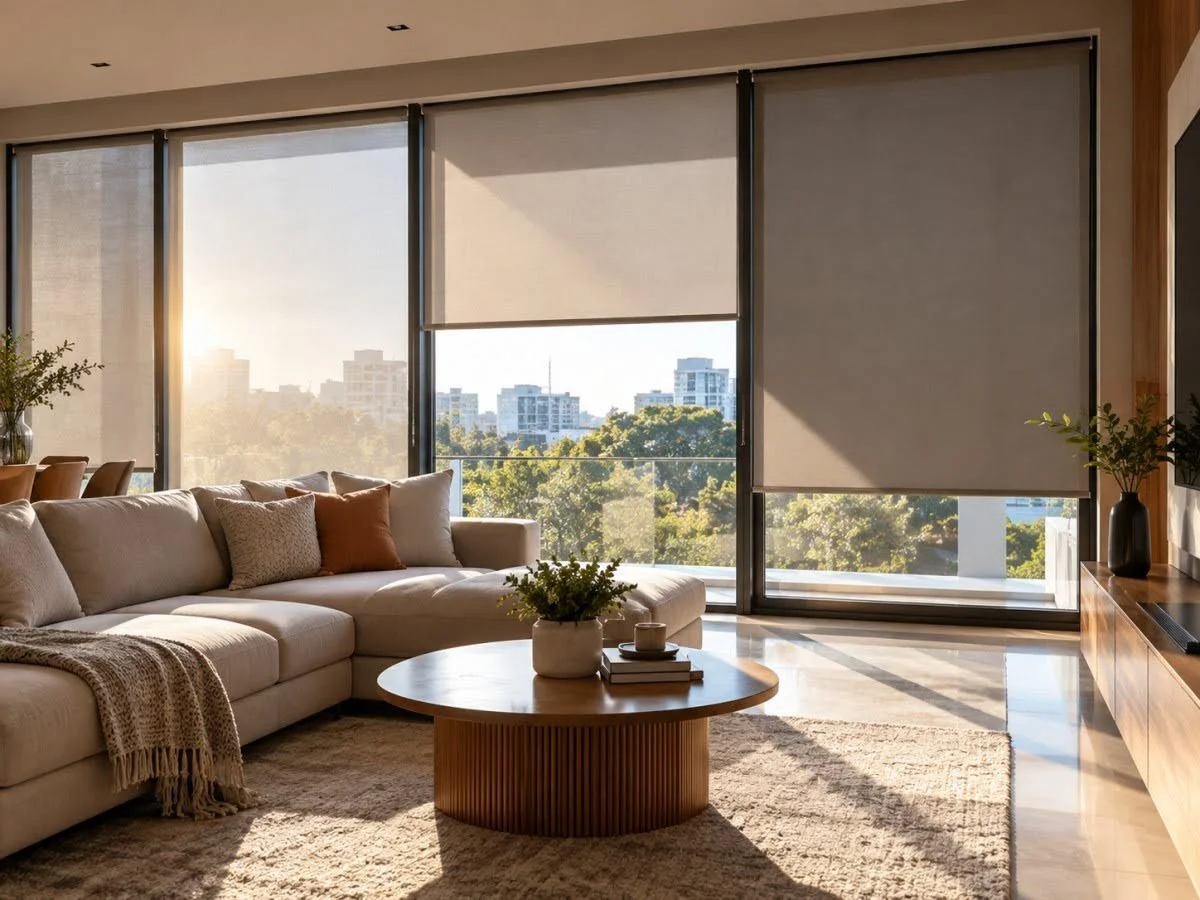
Light control refers to the ability to regulate the amount or direction of daylight entering a room. The appropriate level depends on what happens within the space.
A living room may benefit from adjustable daylight throughout the day. A home office may require better glare management around screens. Other areas may simply need the ability to reduce strong direct sunlight during particular periods.
Window direction also matters because sunlight can reach different parts of a property at different times.
The objective is not always to make a room as dark as possible. In many spaces, the more useful solution is a blind that provides sufficient control while still allowing daylight when desired.
Match the Blind to the Room Rather Than the Entire Property
Using the same blind throughout an entire property can create visual consistency, but it may not address the different functional requirements of each room. A room-by-room assessment is usually more practical.
For living spaces, flexibility between privacy and natural light can be important. Bedrooms may place greater emphasis on privacy and stronger light management.
Home offices can have additional requirements because glare can interfere with computer screens and working conditions. Other rooms may have windows that are opened frequently, which can affect the practicality of particular blind configurations.
The appropriate choice should reflect how the individual space is used, even where a consistent visual style is maintained across the property.
Window Size and Position Influence Blind Selection
Window dimensions affect the size and configuration of the blind required. Large windows can have different operating requirements from smaller openings.
The position of the window also matters. Furniture, handles, surrounding walls and nearby fixtures can influence how easily a blind can be operated.
Before confirming a blind, measurements should identify the dimensions relevant to the proposed installation. The available mounting area should also be considered.
Unusual window proportions or installation conditions may require greater customisation than standard window sizes.
Indoor and Outdoor Blinds Serve Different Environments
Indoor blinds are installed within the interior environment, while outdoor blinds are exposed to more demanding external conditions. The two applications should therefore not be treated as interchangeable.
Indoor blinds are generally selected around privacy, daylight, interior design and everyday operation. Their exposure to direct weather is limited compared with exterior systems.
Outdoor blinds can encounter sunlight, rainfall, wind, humidity and environmental debris depending on their location. Products intended for these applications should be evaluated according to their actual specifications and operating requirements.
Property owners should first determine whether the required blind is an interior window treatment or part of an exterior space before comparing individual products.
Consider How Frequently the Blinds Will Be Adjusted
Frequency of use can influence which operating method is practical. Some blinds may remain in a similar position for much of the day, while others are adjusted repeatedly as light and privacy requirements change.
A frequently used blind should be straightforward for the intended users to operate. Accessibility becomes especially relevant for large windows or blinds installed in locations that are less convenient to reach.
Daily routines can help identify these requirements. If occupants regularly open the blinds in the morning, adjust them during the afternoon and close them at night, ease of operation becomes an important selection factor.
The practical use of the blind should therefore be considered alongside its appearance.
Manual Blinds Provide Direct User Control
Manual blinds are adjusted physically using the operating mechanism designed for the system. The exact method varies according to the type of blind.
Manual operation can be appropriate for windows that are easily accessible and do not require frequent adjustment across multiple openings.
It can also provide a straightforward solution where motorisation is not necessary for the intended use.
Property owners should test or understand the operating method before making a decision. A system should be practical for the people who will use it regularly.
Motorised Blinds Can Simplify Frequent Adjustment
Motorised blinds use powered operation to adjust the window covering. Depending on the available system, controls may differ and should be confirmed for the specific product.
Motorisation can be useful for larger windows, less accessible locations or situations where blinds are adjusted frequently. It can also make operation more convenient where several blinds form part of the same property.
The decision should be based on practical need rather than automation alone. A manually operated blind may remain appropriate for easily accessible windows with simple requirements.
Where motorised blinds are being considered, power, control and installation requirements should be discussed before the system is confirmed.
Blind Materials Should Be Selected for the Intended Application
Blind materials influence appearance, operation, cleaning requirements and suitability for particular environments. However, material should be considered after the functional requirements of the window have been established.
Instead of selecting a material because it is described as generally durable or easy to maintain, property owners should ask how the actual product performs in its intended location.
For indoor blinds, considerations may include appearance, privacy and light-management characteristics. Outdoor applications require additional attention to environmental exposure and product specifications.
Specific performance claims should be checked against information for the actual blind rather than applied broadly to every product made from a similar material.
Colour and Design Affect Both the Blind and the Room
Blinds occupy a visible area of the wall when closed or partially lowered, so their colour and design can influence the appearance of the entire room.
Neutral colours can integrate quietly with surrounding interiors, while stronger colours or textures can make the window treatment more visually prominent.
Property owners should consider the wall colour, flooring, furniture and other permanent finishes around the window. Samples can be useful because materials may appear different under natural and artificial lighting.
Design should support the overall room while still meeting the functional requirements established for the window.
Custom Blinds Can Address Non-Standard Requirements
Custom blinds are useful when window dimensions, design preferences or operating requirements cannot be addressed adequately by a standard configuration.
Customisation can involve dimensions, material, colour, operating system or other product-specific options.
The purpose of customisation should be clear. A non-standard window may require a made-to-measure solution, while another property may need a particular configuration to address privacy or operation.
Customisation should solve a practical or design requirement rather than add unnecessary complexity to the blind.
Accurate Measurement Is Essential Before Ordering
Accurate measurement helps ensure that the blind corresponds with the window and intended installation position. Small dimensional differences can affect fit, coverage and operation.
The required measurements depend on how the blind will be installed. Surrounding frames, walls, handles and other features may need to be considered.
Measurement is particularly important for custom blinds because the product may be prepared according to the confirmed dimensions.
Where property owners are uncertain about the measurement requirements, professional assessment can help establish the appropriate dimensions before an order is finalised.
Blind Installation Should Account for Everyday Operation
Blind installation is not only about attaching the product to the window area. The installed blind should also operate appropriately within the available space.
Nearby handles, furniture and other fixtures should not unnecessarily interfere with normal use. The mounting position should correspond with the intended coverage and blind configuration.
Motorised systems can introduce additional installation considerations associated with power and controls.
The final installation should therefore reflect both the measured window and the way occupants will use the blind after the work is complete.
Maintenance Requirements Should Fit the Property
Blind maintenance depends on the product, material, operating system and environment. Property owners should understand the basic care requirements before making a final selection.
Indoor blinds commonly require periodic removal of dust and appropriate cleaning. Outdoor blinds can encounter more environmental debris and may have different care requirements.
Moving components should also be used according to the operating guidance for the system. If a blind becomes difficult to operate, repeatedly forcing the mechanism may cause further problems.
Product-specific maintenance instructions should take priority over general cleaning advice.
Evaluate a Blind Supplier Based on Relevant Capability
A blind supplier Singapore property owners ideally consider should be evaluated on more than the number of products available. The supplier should be able to connect window requirements with an appropriate blind solution.
Useful capabilities include assessing window conditions, explaining available systems, providing accurate measurements where applicable and addressing installation requirements.
Actual completed projects can also help property owners understand the supplier's experience with different types of windows and property applications.
The objective is to determine whether the supplier can support the complete selection process rather than simply provide a product.
Real Project Experience Can Help with Blind Selection
Completed blind projects provide practical examples of how different window requirements have been addressed. They can be more useful than product images that show blinds without their installation context.
Project examples can demonstrate how blinds look across different window sizes, rooms and property types. They may also show how customised dimensions or operating systems have been applied.
When reviewing a supplier's work, property owners should look for examples relevant to their own requirements.
Moonlight Pte Ltd.'s actual blind projects and experience can therefore provide useful context when evaluating available solutions for a particular property.
Use a Simple Decision Process Before Choosing
A structured decision process can make blind selection easier because it separates essential requirements from optional design preferences.
Property owners can work through five main questions:
How much privacy does this window require?
How much daylight control is needed?
How frequently will the blind be adjusted?
Is manual or motorised operation more practical?
Are standard dimensions suitable, or is customisation required?
Once these questions are answered, colour, finish and other design choices can be considered within the range of blinds that already meet the functional requirements.
Frequently Asked Questions (FAQs)
How do I choose the right blinds for my home in Singapore?
Start by assessing each room's privacy, light-control and operating requirements. Window dimensions, accessibility, interior design and whether manual or motorised operation is preferred can then help narrow the available options.
Should every room use the same type of blind?
Not necessarily. Different rooms can have different privacy, daylight and usage requirements. A consistent design can still be maintained while choosing configurations that better suit individual spaces.
Are motorised blinds better than manual blinds?
Neither option is automatically better. Motorised blinds can be useful for frequent adjustment, larger windows or less accessible locations, while manual blinds can be practical for straightforward and easily reached windows.
When should custom blinds be considered?
Custom blinds can be useful for non-standard window dimensions or when a specific material, appearance or operating configuration is required. Measurements and requirements should be confirmed before custom production begins.
What should I ask a blind supplier before choosing a product?
Ask how the proposed blind addresses privacy, light control and the conditions of the specific window. Property owners can also discuss measurement, customisation, operation, installation and maintenance requirements.
Build the Blind Choice Around the Space
The right blinds should respond to the way a room is actually used. Privacy, light control, window dimensions and daily operation provide a stronger basis for selection than choosing a blind from appearance alone.
Manual or motorised operation, customisation and design can then be evaluated according to those established requirements. Assessing windows individually also allows different areas of the property to receive appropriate solutions without losing overall design consistency.
A practical selection process ultimately connects the blind to the window, the room and the people using the property.
Find a Blind Solution for Your Property
Property owners can prepare their window dimensions, privacy requirements, preferred level of light control and operating preferences before discussing suitable blind options.
For project-specific guidance on blind selection, customisation and installation, contact Moonlight Pte Ltd. to discuss the requirements of the property.